








Hearing Aid Styles
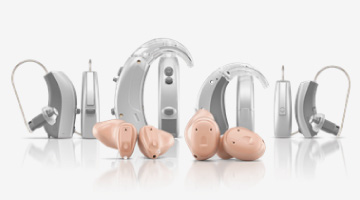 There are several hearing aid styles available, and choosing the right one for you will depend on several factors. There are two major categories of hearing aids available to you: in-the-ear (ITE) devices, which sit in the bowl of the ear (concha) or ear canal, and behind-the-ear (BTE) devices. BTE hearing aid styles account for more than three-fourths of sales, but that doesn’t mean they’re right for everyone. Here’s a closer look at the hearing aid styles available to Ohio residents:
In The Ear (ITE)
ITE hearing aids sit in the bowl-shaped portion of the ear (concha), filling either partially or fully depending upon the earmold you choose. These hearing aids have all electronic components housed within the custom-made plastic casing. They are adjustable using buttons conveniently located on the exterior of the device and are suitable for mild to severe hearing loss.
In The Canal (ITC)
ITC devices are slightly smaller than ITE styles and sit a bit deeper within the ear canal. They perform similarly to the larger hearing aids, through they use a slightly smaller battery and have smaller controls. ITE hearing aids are suitable for mild to moderate hearing loss.
Completely In the Canal (CIC)
CIC hearing aids are smaller that ITC hearing aids and sit a bit more deeply in the canal. These devices are typically nearly invisible. Since they are placed into the ear canal, they must be removed using a tiny cord that protrudes slightly out of the canal. They are appropriate for patients with mild to moderate hearing loss.
Invisible In the Canal (IIC)
This hearing aid style is the smallest available removable hearing aid. Since IIC devices are so tiny, they offer fewer features and functions. However, these devices also utilize the ear’s natural shape for good sound localization and directionality. IIC devices require good manual dexterity and are appropriate for most patients with mild to moderate hearing loss.
Extended Wear (Lyric)
Lyric hearing aids are implanted deep within the ear canal and are worn 24 hours a day for the lifespan of the battery. Lyric hearing aids typically last about four months and are purchased on an annual subscription basis. These hearing aids are great for active Akron residents who don’t want to take the time to change batteries or clean their devices each night. Talk to your audiologist to learn more.
Behind The Ear (BTE)
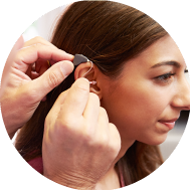
BTE hearing aids are worn behind the ear rather than in the canal. Traditional style BTEs are less popular that open fit styles, but they are often a good option for seniors with dexterity issues as well as children. All electronic components are housed in a casing that rests behind the ear, and sound is delivered to the ear via a small, clear tube that stretched over the top of the ear. BTE devices are considered for all types and severities of hearing loss.
Receiver In The Ear (RITE)
RITE hearing aids are the most popular style available because they utilize an open fit design. Like BTE hearing aids, RITE devices house electronic components in a casing behind the ear. The receiver, however, is contained in a tiny earmold that sits within the ear canal. This receiver doesn’t block, or occlude, the canal. These devices only amplify sounds at frequencies the wearer struggles to hear, while other sounds are allowed to pass into the ear canal without amplification. This creates a much more natural listening experience. RITE hearing aids are suitable for mild to severe hearing loss.
Hearing Aids
 There are many different types of hearing aids available, and determining which one is best for you will take some time. As you’re choosing a hearing aid, the most important thing is to have a knowledgeable and experienced audiologist by your side to guide you. There are several factors to consider during this process, all of which will help you narrow down your choices and find the perfect pair of hearing aids for your individual needs.
Today’s technology has allowed hearing aids to advance far beyond where they were just a few years ago. The devices available to Akron patients are much more compact and discreet than their predecessors, but they also offer a wide variety of features and functions. As you look at the different hearing aid styles and consider which features are most important to you, you should consider the following things:
Lifestyle
Lifestyle is arguably the most important consideration when you’re choosing a hearing aid. It’s vital to work with your audiologist to assess your lifestyle needs before you begin the selection process. Different hearing aids work better with different lifestyles and activities. If you don’t take the time to focus on your lifestyle needs as you’re choosing a hearing aid, you risk opting for a pair that doesn’t best suit you personally. Your audiologist will help you better understand which lifestyle you fit into as well as which hearing aids are the best option for it.
Hearing Needs
 Certain hearing aid styles work better for some hearing losses than others, so it’s important to understand your hearing loss fully as you begin choosing a hearing aid. Some of the main considerations include the severity and frequency of your hearing loss. You should also know whether it affects one ear (unilateral) or both ears (bilateral) as well as whether you also have hyperacusis (sound sensitivity) or tinnitus (ringing in the ears). All of these factors will weigh into which hearing aid styles your audiologist recommends for you.
Cosmetic Preferences
Many Akron hearing loss patients are surprised to see how small and discreet today’s hearing aid styles are. Though hearing devices are subtler today than ever before, you should still consider your cosmetic preferences when making your decision. It’s important to choose hearing aids that you’re comfortable wearing in any occasion so that you’re willing to wear them day in, day out. While most models are barely noticeable from anyone looking at you head on, some wearers opt for styles that are completely invisible to outsiders.
Functionality
There are dozens of different features and functions available in today’s digital hearing aids, so opting for a pair that offers the features you need most is important. The most features a hearing aid’s programming offers, the more premium (and expensive) the device will be. Due to this, many of our patients like to spend the time it takes to assess what functions are truly important. By doing this, you’ll also be able to identify what features are necessary to living your life to the fullest.
Protecting Your Hearing
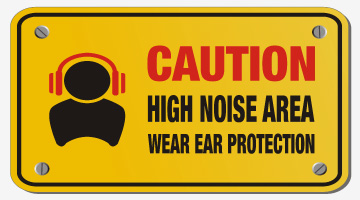 Hearing loss can develop naturally, but in many cases it has a cause and is completely preventable. By understanding the causes of hearing loss, you can work to prevent it by taking simple, reasonable precautions. Learn more about protecting your hearing by reading through the information on this page and talking to an Akron audiologist about preventing hearing loss.
Protecting Your Hearing from Loud Noise Exposure
Noise-induced hearing loss (NIHL) is becoming increasingly common with each passing year. Properly protecting your ears from exposure to sounds over 85 decibels (dB) is very important, especially if you regularly participate in loud activities. While one-size-fits-all earplugs offer some benefit, anyone regularly exposed to loud noise should invest in custom earplugs for full protection. We offer custom earmolds for standard earplugs as well as for specialty plugs such as hunter’s plugs, musician’s monitors, swimmer’s plugs and more. Custom-made earplugs are ideal for Akron residents who regularly attend sporting events, go hunting, ride motorcycles, enjoy woodworking, mow or snow/leaf blow their law, attend rock concerts and more. You should also try to buy quieter appliances, keep the volume on your music and TV low, and limit the number of appliances or tools you use during your regular routine.
Protecting Your Hearing from Infection and Disease
Some infections and diseases can cause hearing loss. Viruses that may affect your hearing include measles, mumps, whooping cough and rubella. Bacterial infections like meningitis and syphilis may also cause hearing loss. The best way to protect your hearing and that of your loved ones is to follow these pieces of advice: get all recommended vaccinations for you and your children, use protection to prevent the spread of sexually transmitted diseases and always seek medical attention should you feel sick.
Protecting Your Hearing from Injury
Head trauma can affect the temporal bones in the skull’s lower lateral walls, which may damage your auditory system. While trauma isn’t always preventable, you can still lower your risk through taking simple precautions such as wearing seat belts, helmets and proper protective gear; avoiding unnecessary risks, such as standing on the top rung of a ladder; never inserting foreign objects in your ears; using waterproof swim plugs when engaging in water activities; and seeking medical attention if you are suffering from an ear infection.
Protecting Your Hearing from Ototoxic Medications
Many people aren’t aware of the risk certain medications pose to their auditory system. In reality, though, more than 200 over-the-counter and prescription drugs are known to cause damage to the sensory cells necessary for hearing. These include certain antibiotics, chemotherapy drugs, salicylate pain relievers and diuretics. Talk to your doctor and an Akron audiologist if you’re concerned about a medication causing changes to your hearing.
Causes of Hearing Loss
 Hearing loss is the third most common physical health problem in the U.S., affecting an estimated 48 million people. Many patients assume that hearing loss is mainly a concern amongst older Americans—but this fact is becoming less and less true each year. Today, more cases of hearing loss are caused by exposure to loud noise than aging or any other single factor. The good news is that by taking the time to understand the causes of hearing loss, you can also do more to prevent it from happening to you or your family.
The Most Common Causes of Hearing Loss
Noise-induced hearing loss (NIHL) is becoming increasingly prevalent in Akron, across the U.S. and throughout the world. Today, experts estimate the about 15% of Americans have some level of hearing loss from noise exposure alone. NIHL is not age-related and can affect children, teens, adults and seniors equally.
Sounds exceeding 85 decibels (dB) are considered potentially dangerous for your ears. At 85 dB, exposure to a sound for about eight hours can cause permanent damage. For every five-decibel increase above 85, the exposure time is cut in half. For example, 90 dB noises can damage your ears in four hours, 100 dB noises can cause damage in just an hour and 120 dB sounds can damage your ears instantly. In order to protect against noise-induced hearing loss, Akron residents regularly exposed to loud noises should invest in quality custom earplugs.
Another common cause of hearing loss is the natural aging process. This type of sensorineural hearing loss is called presbycusis. It usually comes on gradually, causes high-frequency hearing loss, affects both ears equally and causes mild to severe impairments. It occurs as a result of natural changes in the inner ear over time potentially caused by several factors including cumulative daily noise exposure; your heredity; changes in the blood supply to the ear caused by heart disease, hypertension, vascular conditions and poor circulation; and side effects of ototoxic medications. An estimated 1 in 3 adults over 65 experience age-related hearing loss; that number jumps to nearly 1 in 2 by the age of 75.
Additional Causes of Hearing Loss
NIHL and presbycusis account for a vast majority of hearing loss in our Akron patients, but there are plenty of other possible causes of hearing loss as well. Sensorineural, or inner ear, hearing loss can be caused by head trauma, viruses, disease, malformations of the inner ear, Meniere’s disease, otosclerosis, acoustic neuromas and more.
Conductive hearing loss, which relates to the middle or outer ear, can be caused by ear infections, colds, allergies, impacted earwax, foreign objects in the ear canal, perforated eardrums, poorly functioning Eustachian tubes and malformations of the outer ear or middle ear, including the ear canal.